

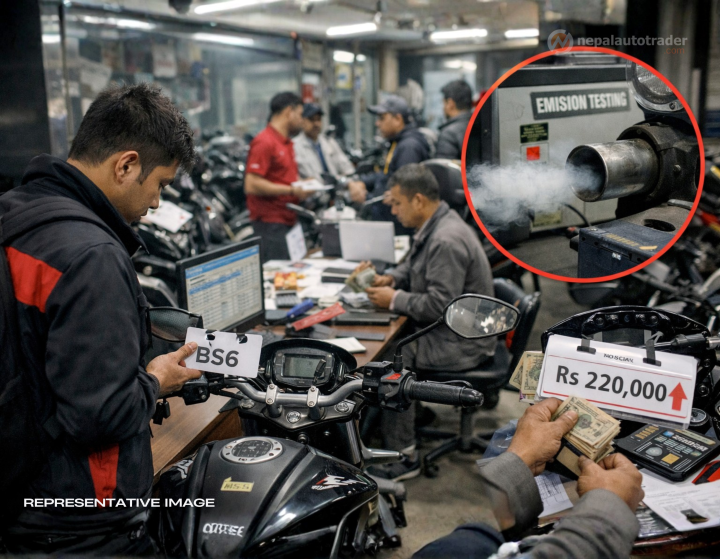
Motorcycle prices in Nepal increased by 8 to 15 percent in 2024–2025
New Euro 5 and Euro 6 emission rules raised manufacturing and import costs
BS4 motorcycles phased out across most brands
Commuter bikes saw price hikes of Rs 15,000 to Rs 30,000
Dealers expect further increases once old stock clears
Buyers now pay more but get cleaner engines and better tech
The market is slowly shifting toward premium and electric two wheelers
If you checked bike prices recently, you probably paused. The same motorcycle now costs more than it did last year. This is not random. Government policy changed how motorcycles enter Nepal. That change directly affects what you pay.
Nepal adopted stricter emission standards in 2024. By 2025, most brands had no choice but to comply. Cleaner engines cost more to build and import. Dealers passed that cost to you.
This shift reshapes the entire two wheeler market. If you plan to buy a bike, you need to understand what changed and what comes next.
Nepal enforced the Nepal Vehicle Pollution Standard 2082, aligning motorcycles with Euro 5 and Euro 6 norms. This ended the long run of BS4 motorcycles.
Manufacturers now must use:
Fuel injection systems
Better catalytic converters
Improved engine management units
These upgrades reduce emissions but increase costs.
According to the Nepal Automobile Importers and Manufacturers Association, compliance raised import and production expenses by 10 to 20 percent between 2024 and 2025.
Dealers sold remaining BS4 inventory at lower prices through early 2024. That stock is now almost gone. New shipments meet stricter rules and arrive with higher price tags.
You no longer get the cheaper option.
| Motorcycle Segment | Average Price Increase |
|---|---|
| 110 to 125 cc | Rs 15,000 to Rs 20,000 |
| 150 to 200 cc | Rs 20,000 to Rs 30,000 |
| 250 cc and above | Rs 25,000 and higher |
These are dealer averages from 2024–2025. Actual prices vary by brand.
A senior dealer in Kathmandu said,
“Emission compliance is now the biggest cost driver. Taxes matter but engine tech matters more.”
You pay more but you also get upgrades that matter.
Most new motorcycles now include:
Fuel injection as standard
Better throttle response
Lower emissions
Improved fuel efficiency in real use
An automotive policy analyst from Clean Energy Nepal explains,
“These regulations push the market forward. Riders benefit long term through cleaner air and more reliable engines.”
This is not just policy pressure. It is a forced upgrade cycle.
Price sensitive buyers feel the impact hardest. A Rs 20,000 increase matters more on a 125 cc bike than on a 400 cc one.
That changed buyer behavior.
In 2024–2025, mid size and premium motorcycle sales grew, even as commuter bike sales slowed. Royal Enfield continues to dominate the big bike segment with over 85 percent market share.
Buyers now think long term. Many choose higher capacity bikes for durability and resale value.
If you wait, prices will not drop. Emission compliance is permanent. Taxes rarely move down.
If you buy now, you lock today’s price and get a cleaner engine that meets future rules.
This is the new baseline for motorcycle pricing in Nepal.
Expect:
Stable but higher pricing
Faster adoption of electric scooters
Fewer ultra budget petrol motorcycles
Better standard features across brands
The market is maturing. Cheap bikes are fading. Cleaner, smarter machines are replacing them.
Government emission rules forced brands to upgrade engines, raising costs.
No. Emission standards are permanent and costs are locked in.
Very limited stock. Most dealers no longer have them.
Yes. Waiting will not reduce prices.
In many cases yes. Fuel injection improves efficiency.
For city use, electric scooters make more sense than before.

Nepal Auto-Trader is one-stop platform for all automotive needs. We provide unbiased and unparalleled news/reviews of all auto-motives being launched in Nepalese Auto-Industry. Find recent updates and price of bikes/cars, compare and review recently launched bikes/cars, buy/sell/trade reconditioned cars/bikes and all government news about changing rules and regulation, road safety by subscribing us.

Subscribe to our Newsletter
© Copyright 2026, Nepal Autotrader



.png)
.png)