

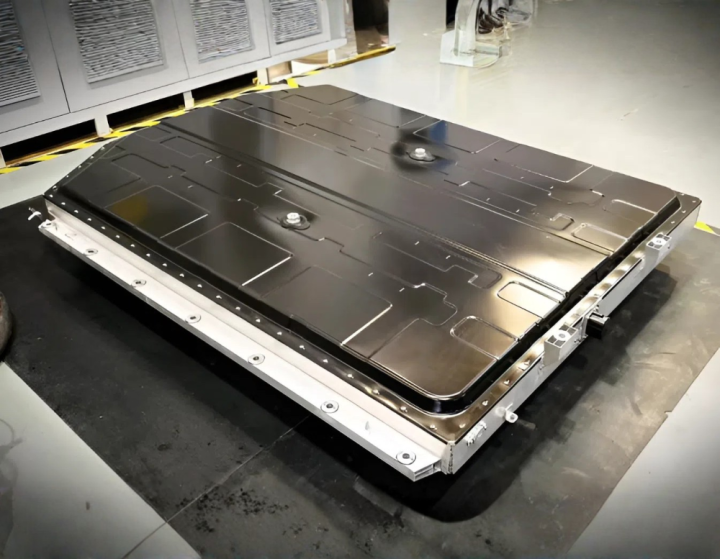
BAIC’s research division says the new cell format hits a 170 Wh/kg energy density in internal tests. The prismatic design fits existing pack architectures, meaning OEMs could swap it into current platforms without a redesign. The claim of 4C charging translates to a full charge in 11 minutes, a figure that would make highway top‑ups feel like a coffee break.
That matters because charging time has been the last great barrier for EV adoption. If a driver can pull into a rest stop and be back on the road before a quick snack, the convenience gap with ICE cars narrows dramatically.
The battery’s ability to accept 4C charge rates without overheating is backed by thermal‑abuse testing where the cell endured 200°C without fire or explosion. That safety margin could let operators push chargers to higher power levels without compromising reliability.
Sodium‑ion chemistry has long been praised for low‑temperature resilience. BAIC reports energy retention exceeding 92 % at ‑20°C, and functional operation down to ‑40°C. In contrast, many lithium‑iron‑phosphate packs lose 30‑40 % of capacity in similar conditions.
This matters for markets in northern China, Siberia and the Canadian north, where winter performance can make or break an EV’s practicality.
BAIC disclosed three key safety figures:
If these results hold up in real‑world fleets, the sodium‑ion pack could become the go‑to chemistry for cost‑sensitive, high‑usage vehicles.
| Parameter | Value | Reference |
|---|---|---|
| Energy density | 170 Wh/kg | BAIC internal test |
| Full‑charge time | 11 minutes (4C) | BAIC claim |
| Operating temperature | ‑40°C to 60°C | BAIC data sheet |
| Capacity retention @ ‑20°C | 92 % | BAIC internal test |
| Over‑charge limit | 200 % SOC | Safety test |
China’s battery ecosystem is already testing sodium‑ion as a complement to lithium. In February 2026, Changan and CATL rolled out what they called the “world’s first mass‑produced sodium‑ion passenger EV”, equipped with a 45 kWh pack and a claimed 400 km range. Meanwhile, BYD announced a third‑generation sodium‑ion platform capable of 10,000 charge cycles, though commercial timing remains vague.
BAIC’s 20 patents span electrolyte formulation, cell design and degradation analysis, signaling a long‑term commitment. The company’s Aurora Battery program now lists lithium‑ion, solid‑state and sodium‑ion chemistries side by side, suggesting a multi‑prong strategy rather than a single‑technology gamble.
No vehicle‑level rollout date has been disclosed for BAIC’s pack. The firm says mass‑production validation of prismatic cells is complete, and the next step is integration into a test fleet. Watch for a timeline update in the second half of 2026, when BAIC may reveal a pilot model targeting the cost‑sensitive compact SUV segment.
If the battery lives up to its specs, we could see a shift in how Chinese automakers price EVs, especially for budget‑focused brands. Faster charging and cold‑climate reliability would make sodium‑ion a compelling alternative where lithium supply constraints and raw‑material cost pressures are most acute.
Q: What is the advertised energy density of BAIC’s sodium‑ion cell? A: BAIC reports an energy density of 170 Wh/kg for its prismatic sodium‑ion cell.
Q: How long does it take to charge the battery from 0 % to 100 %? A: The battery supports 4C fast charging, delivering a full charge in 11 minutes under BAIC’s test conditions.
Q: Can the pack operate in sub‑zero temperatures? A: Yes, it functions from ‑40°C to 60°C, and retains 92 % of its capacity at ‑20°C.
Q: How does BAIC’s safety performance compare to lithium packs? A: BAIC claims the cell tolerates 200 % state of charge over‑charge and survives exposure to 200°C without fire or explosion, surpassing many lithium‑ion safety thresholds.
Q: When might we see a vehicle equipped with this battery? A: BAIC has not announced a launch date, but it expects vehicle‑level validation and pilot deployments in the latter half of 2026.
Q: How does this development affect the broader Chinese EV market? A: The fast‑charging, cold‑weather capable sodium‑ion pack could lower costs and broaden EV appeal in price‑sensitive and cold‑climate regions, pressuring rivals to accelerate their own sodium‑ion programs.

Nepal Auto-Trader is one-stop platform for all automotive needs. We provide unbiased and unparalleled news/reviews of all auto-motives being launched in Nepalese Auto-Industry. Find recent updates and price of bikes/cars, compare and review recently launched bikes/cars, buy/sell/trade reconditioned cars/bikes and all government news about changing rules and regulation, road safety by subscribing us.

Subscribe to our Newsletter
© Copyright 2026, Nepal Autotrader



.png)
.png)