

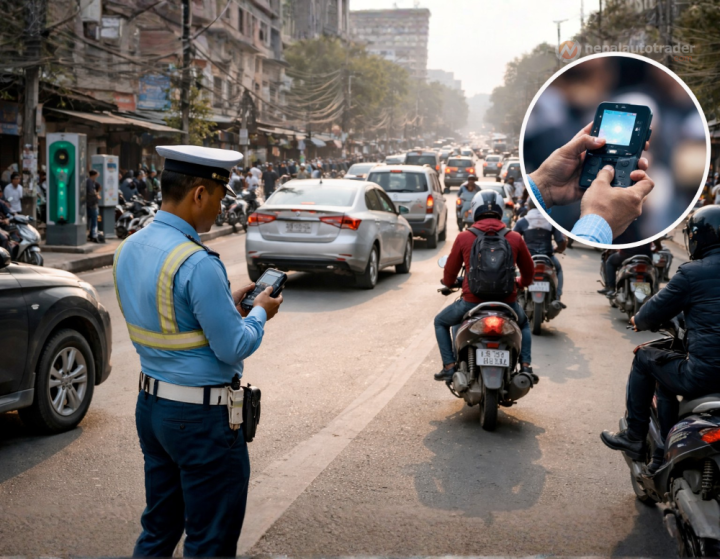
Nepal introduces the Vehicle and Traffic Management Bill 2081 to replace outdated transport laws
Strong focus on road safety with stricter penalties for violations
Push toward digital systems including licenses and vehicle records
Clearer direction for electric vehicle adoption and charging ecosystem
Aims to reduce accidents and improve traffic discipline nationwide
Could accelerate growth of affordable EVs and best-selling EV models in Nepal
Aligns Nepal with global trends in smart mobility and sustainable transport
Nepal is preparing for a major shift in how its roads are managed. The proposed Vehicle and Traffic Management Bill 2081 is not just a policy update. It is a reset of the country’s entire mobility system.
With rising accidents, growing vehicle ownership, and increasing interest in electric vehicles, the timing is critical. The new bill focuses on safety, digital transformation, and a cleaner automotive future.
The automotive market in Nepal is evolving fast.
Rising demand for affordable EVs due to high fuel prices
Entry of global brands offering long battery range EVs
Early-stage but growing charging network infrastructure
Increasing urban congestion and accident rates
Weak enforcement of traffic rules
Manual and slow government processes
Lack of clear EV-focused regulations
Poor traffic discipline
The new bill directly targets these issues, making it a foundational reform rather than a minor update.
Higher fines for traffic violations
Tough penalties for drunk driving and reckless behavior
Stronger monitoring and enforcement systems
This section of the bill aims to reduce accidents and bring discipline to roads.
Digital driving licenses
Online vehicle registration
Centralized transport database
This shift will reduce paperwork and improve efficiency for both drivers and authorities.
Clear recognition of electric vehicles in law
Support for EV adoption and infrastructure
Encouragement for investment in charging stations
This is crucial for boosting best-selling EV models and making EV ownership easier.
Real-time traffic monitoring systems
Scope for future AI-based traffic control
Better urban traffic planning
Nepal is moving toward a smarter and more connected road network.
| Category | What Changes |
|---|---|
| Licensing | Fully digital system |
| Enforcement | Higher penalties and stricter rules |
| EV Policy | Clear framework and support |
| Safety | Stronger compliance requirements |
| Technology | Smart traffic systems planned |
Safer roads
Faster access to services
Better driving accountability
Improved ecosystem for charging network access
More confidence in battery range and usability
Wider availability of affordable EV options
Clear policy direction
Stronger EV market growth potential
Increased competition and innovation
| Feature | Nepal Bill 2081 | India | Southeast Asia |
|---|---|---|---|
| Digital Licensing | Yes | Yes | Yes |
| EV Incentives | Growing | Strong | Expanding |
| Traffic Enforcement | Improving | Moderate | Advanced in cities |
| Smart Systems | Planned | Expanding | Mature in key regions |
Nepal is catching up quickly, especially in EV policy and digital adoption.
The bill is expected to reshape the EV landscape.
Growth in best-selling EV segments
Increased competition among global brands
Expansion of charging infrastructure
Better consumer trust in EV technology
This could make Nepal one of the faster growing EV markets in the region.
The Vehicle and Traffic Management Bill 2081 is a serious attempt to fix long-standing issues in Nepal’s transport system.
It focuses on what matters most
Safety
Simplicity
Sustainability
If implemented well, it can reduce accidents, improve daily commuting, and accelerate the shift toward electric mobility.
The bigger picture is clear. Nepal is not just updating rules. It is building the foundation for a smarter and cleaner automotive future.

Nepal Auto-Trader is one-stop platform for all automotive needs. We provide unbiased and unparalleled news/reviews of all auto-motives being launched in Nepalese Auto-Industry. Find recent updates and price of bikes/cars, compare and review recently launched bikes/cars, buy/sell/trade reconditioned cars/bikes and all government news about changing rules and regulation, road safety by subscribing us.

Subscribe to our Newsletter
© Copyright 2026, Nepal Autotrader



.png)
.png)